

Yulex and Limestone Neoprene
We work with the same process we use for clothes to design our surfing wetsuits.
- Design : working on fits, details and style.
- Choice of the best workshops to make the products.
- Fabrics selection . We always use finest fabrics to make quality products.
For wetsuit category or y, we use the best: “ limestone neoprene ” & “ Yu lex Natural Rubber ”
Learn more below.
What is Limestone neoprene ?
- Created by Japanese company Yamamoto, "limestone" neoprene is made from limestone and not from petro-chemical industry.
- This limestone sourced rubber has uncommon specifications: Nitrogen gas blown rubber that increases the insulation of the wetsuit, making it warmer . At 23% higher closed-cell structure than oil derived neoprene, making it more buoyant . Maximum elongation of over 480%, whereas human skin stretches only up to 60 to 70%. 98% water impermeable whereas oil derived standard is nearly 70%.
- This wetsuits are more "eco-friendly" than classic neoprene products. And we are working on a recycling program that could allow us to go more green in our business.
- "limestone" neoprene is way more expensive than a classic neoprene but with our business model cutting classic distribution network costs, we make it affordable and today you can buy a limestone neoprene wetsuit, handmade in a specialist workshop for the same price as a classic wetsuit.
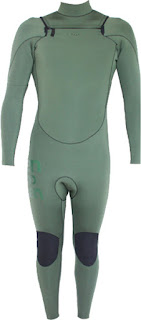
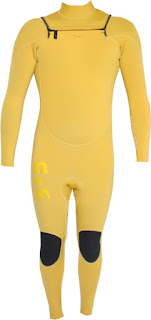
Limestone neo prene wetsuit is LIGHTER, WARMER and LAST LONGER than any other wetsuit.
Limestone neo prene wetsuit is LIGHTER, WARMER and LAST LONGER than any other wetsuit.

FRA:
We use the same quality approach for our surf suits as for our textile collections.
We use the same quality approach for our surf suits as for our textile collections.
- The design by working on the cuts, details and style of the product.
- The selection of the best workshops offering unique expertise in assembling the products.
- And above all, the choice of materials. We always use the finest materials to offer high-quality products. For wetsuits, we use limestone neoprene and Yulex natural rubber .
What is neoprene "limestone"?
Developed by the Japanese company Yamamoto, limestone neoprene is made from limestone rock and not from the petrochemical industry. This means that neoprene does not contain petroleum.
- The specifics of neoprene are much better than classic neoprene: warmer, more flexible, lighter, it does not absorb water (98% waterproof versus 70% for neoprene made from petroleum), and offers a better lifespan.
- These combinations are therefore more "eco-friendly and we are also working on a program to recycle products at the end of their life.
- Limestone neoprene is much more expensive, but our business model is designed to cut the costs associated with traditional distribution. We sell our wetsuits directly and through a small, select network of specialized surf shops, which allows us to offer them at reasonable prices.
A neoprene limestone wetsuit is lighter, warmer and lasts longer than any other wetsuit.
A neoprene limestone wetsuit is lighter, warmer and lasts longer than any other wetsuit.

---
2016 has seen the arrival of a new fab in wetsuit industry: Yulex™ Natural Rubber
What is YULEX ?
Yulex brings non-sensitizing, high performing, 100% plant based, specialty natural rubber materials to consumers and brands.
YULE X & PATA GONIA brand developed a natural rubber wetsuit .
Made from sap of Hevea tree, being grown on Forest Stewardship Council certified plantations in Guatemala, Hevea rubber is the best-performing alternative to neoprene, and it can be sourced in a way that doesn't contribute to deforestation.
As of Fall 2016, the Yulex® natural rubber in surfing wetsuits comes from sources that are Forest Stewardship Council® (FSC) certified by the Rainforest Alliance.

After being tapped from hevea trees, the raw latex is refined by our partners at Yulex in a proprietary process that removes over 99% of impurities—including the proteins that cause latex allergies—and results in a stronger, non-sensitizing natural elastomer.
Because the polyisoprene polymer is produced in trees instead of factories, using solar energy instead of generated electricity, up to ~80% less climate-altering CO 2 is emitted in the manufacturing process when compared to traditional neoprene.
Still the material of choice for a wide range of products with demanding performance requirements, such as airplane tires and medical gloves, natural rubber is both stronger and more flexible than its synthetic substitutes. Its strength, elasticity and consistent stretch transfer superbly into wetsuits—meaning that not only are we not contributing to deforestation, Yulex natural rubber is a step forward for performance, too.
Most importantly, since only 0.5% of the world's rubber supply currently comes from FSC certified sources, we hope our choice will motivate other businesses to incorporate more sustainable practices in their supply chains.
At SEN NO SEN, we decided to follow the path opened by PATA GON IA in the ir eco -friendly policy and we 've just started to use Y ulex for making surfing wets uits.
At this stage, in d of 2016, we are testing first Yulex wetsuits made in our workshop before to launch it on the market in 2017... more info soon , stay tuned!

FRA:
YULEX is a company that provides consumers and brands with specialized, non-sensitizing, high-performance, 100% plant-based natural rubber materials.
YULEX and the American brand PATAGONIA have developed a natural rubber for surf suits.
Made from the sap of a tree , the rubber tree (Hevea brasiliensis ) is grown on FSC (Forest Stewardship Council™) certified plantations in Guatemala. Hevea rubber represents the most effective alternative to neoprene and can be harvested in a way that does not contribute to deforestation.
From autumn 2016, the YulexTM natural rubber in the surf suits comes from sources certified by the Rainforest Alliance as FSC.

After harvesting the raw latex from the rubber trees, Yulex processes it using a patented process that eliminates more than 99% of impurities, including the proteins responsible for latex allergy, and produces a stronger, hypoallergenic natural elastomer.
Because this polyisoprene polymer is produced by trees and not in factories, using solar energy rather than electricity, the manufacturing process results in a reduction of almost 80% of CO2 emissions , which are harmful to the climate, compared to the production of traditional neoprene.
Stronger and more flexible than its synthetic imitations, natural rubber remains the material of choice for manufacturing a wide range of products with high performance requirements, such as aircraft tires and medical gloves.
Resistant, elastic, and stretchy, it's perfect for wetsuits. This way, not only do we avoid contributing to deforestation, but we also use Yulex™ natural rubber, which is also a performance advantage.
Most importantly, given that only 0.5% of global natural rubber resources come from FSC-certified sources, we decided to follow PATAGONIA in their environmental policy and therefore also use Yulex for our wetsuits.
At this stage, at the end of 2016, we are testing the first suits assembled in our workshop before launching them commercially in 2017. Stay tuned, more info coming soon!